


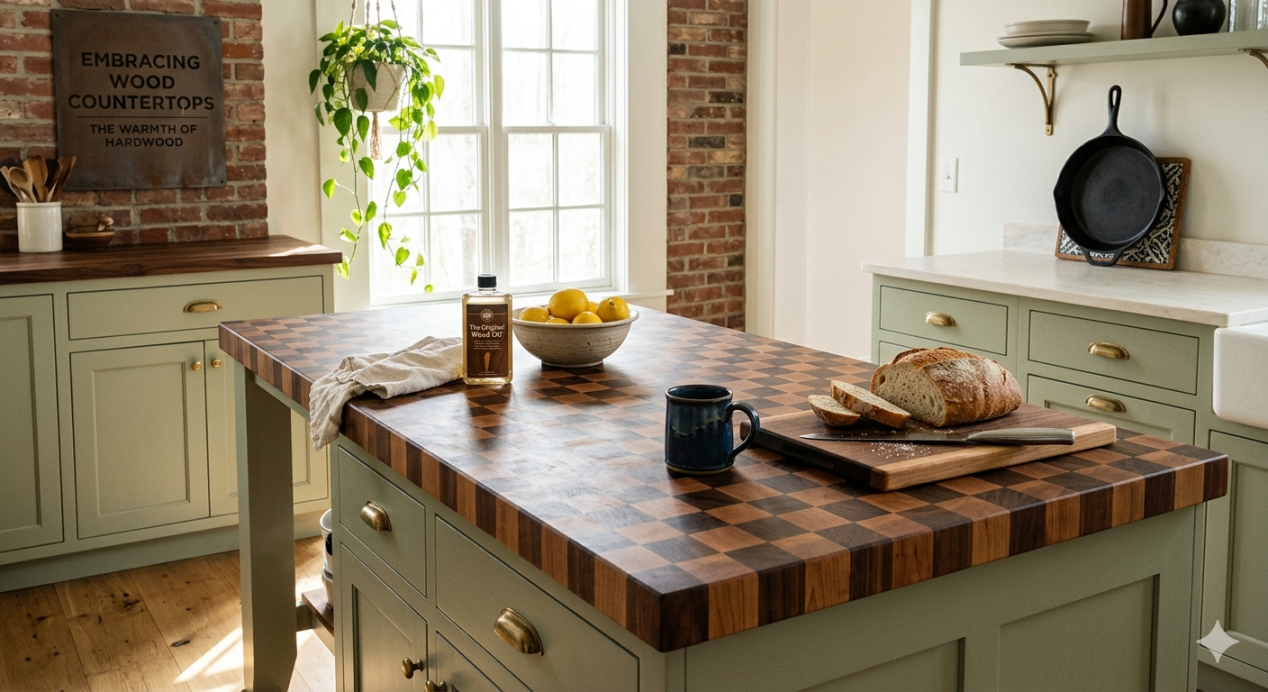
The modern kitchen is undergoing a quiet revolution, shifting away from cold, clinical surfaces toward elements that ground a home in comfort and timeless texture. While engineered stone and quartz have dominated design conversations for years, homeowners are increasingly turning to natural wood kitchen countertops to inject genuine warmth, history, and life into their culinary hubs. Incorporating custom wood countertops into your layout is more than an aesthetic upgrade; it is an investment in a living material that ages beautifully alongside your family. Whether you intend to use a natural surface across your entire space or style a contrasting focal point on a central kitchen island, choosing a custom timber installation from an expert specialist like Garden State Soapstone, Slate & Wood offers unparalleled versatility.
Finding the Perfect Species for Your Workstation
Selecting the right material requires understanding how different wood species perform under the demands of daily kitchen activity. Homeowners face a great choice when looking at the diverse types of wood for kitchen countertops, as each brings its own structural personality. For those seeking striking contrast, a rich palette, and high density, walnut wood countertops are an extraordinary option. Walnut offers a gorgeous range of dark tones, deep brown hues, and swirly grain patterns that make any workspace look like a custom piece of fine furniture.
If you prefer a surface that brings a distinct coastal breeze or tropical resilience into your home, teak wood countertops present a premium alternative. Teak naturally contains high oil content, making it exceptionally stable, moisture-resistant, and perfect for areas exposed to ambient water. Other classic hardwoods like maple, white oak, cherry, and rustic beech provide varying levels of hardness and unique undertones, ensuring that your timber surfaces perfectly complement your cabinetry and lighting.
Proactive Habits to Keep Organic Surfaces Flawless
Integrating wood countertops into your home comes with a responsibility to practice mindful preventative care. Because wood is naturally porous, establishing a routine of cleaning up messes quickly is vital to avoiding deep stains. Liquid spills from deep-pigmented items like red wine, morning coffee, or tomato sauce can slowly seep into unsealed fibers, so wiping them up immediately with a soft damp cloth protects the integrity of the surface. Furthermore, because natural timber lacks the high thermal resistance of materials like slate or soapstone, keeping trivets and hot pads easily accessible across your space is a must. Placing scorching pans or fresh baking sheets directly onto the timber will cause scorch marks that require deep repair, making proactive heat protection an essential standard for your daily culinary workflow.
Preserving Texture and Defending the Grain
A common misconception is that a built-in butcher block means you can safely retire your standalone cutting tools. Unless you are actively trying to achieve a heavily distressed, weathered farmhouse look, you still need to use separate cutting boards for heavy chopping and slicing. Keeping knives off your main wood kitchen countertops preserves the smooth finish and prevents micro-grooves where bacteria might attempt to settle.
To further seal your investment, establishing proper habits for caring for wood countertops is highly recommended. A regular application of an all-natural, food-safe organic The Original Wood Oil™ will keep the wood hydrated. Drizzling oil over a clean, crumb-free surface and spreading it with a clean cotton rag allows the fibers to absorb deep moisture. Letting it settle in or about five minutes before wiping away the excess creates a natural barrier that prevents drying, surface cracking, and food odor absorption.
Simple Strategies for Unexpected Accidents
Even in the most careful households, scratches and stains are bound to happen, but the brilliance of natural wood is how easily it can be restored. If an accidental spill leaves behind a stubborn stain, you can cut a fresh lemon in half and rub the pulp side directly onto the mark. For tougher blemishes, sprinkling a bit of coarse salt underneath the lemon halves provides a gentle, non-chemical abrasion that lifts dark pigments without ruining the surface. For deep scratches or minor gouges, fine-grit sandpaper between 120 and 220 grit allows you to gently sand the problem area until smooth. Once the blemish is removed, applying a fresh layer of The Original Wood Oil ™ over the freshly sanded section restores the rich coloring and makes the initial scratch virtually unnoticeable.
Rejecting Plastic Coatings for a Graceful Living Finish
When exploring ways to protect your custom wood countertops, you might feel tempted to apply a heavy coat of polyurethane to seal it completely against moisture. However, synthetic coatings eliminate the organic tactile texture of the wood and create a plastic barrier that prevents simple spot-repair. If a polyurethane coat sustains a deep scratch, you cannot simply sand out the blemish and re-oil it; instead, you would be forced to strip down the entire counter. Part of the true beauty of high-quality wood kitchen countertops is watching how they evolve, showing the authentic, warm character of a kitchen that is truly used and loved. By leaning into natural oils and choosing exceptional timbers, you create an inviting, functional, and deeply sophisticated space that functions beautifully for generations.
Recent Comments